Most brands entering global markets assume Google Ads means search ads. In reality, Google Ads in 2026 covers search, display, video, shopping, apps, and Demand Gen — reaching over 90% of internet users worldwide.
The question isn’t whether to advertise on Google. It’s which format to use. Each ad type has a different placement, audience logic, and billing model. Choose the wrong one and your budget disappears with nothing to show for it.
1. Search Ads
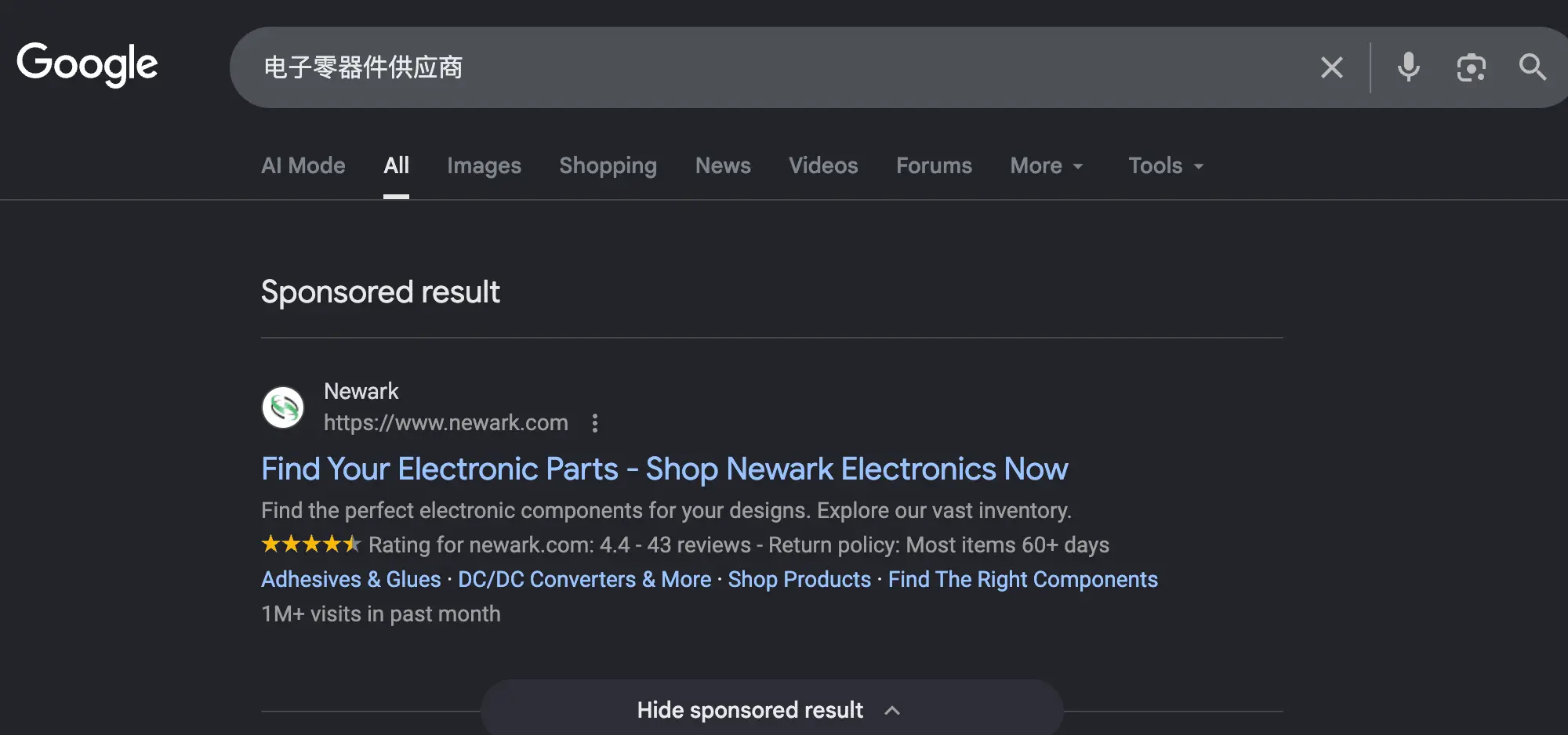
Search ads appear at the top or bottom of Google search results when a user types in a relevant keyword, marked with a “Sponsored” label.
The core format is the Responsive Search Ad (RSA): you provide up to 15 headlines and 4 descriptions, and Google’s AI automatically tests combinations to find what performs best for each query. As of February 2026, call-only ads have been officially deprecated — RSA is now the only mainstream search ad format.
Best use case for global brands: Search ads work best when your target audience has clear purchase intent. Keywords like “industrial equipment supplier Europe” or “B2B software for logistics” signal active buying intent — search ads deliver the highest conversion efficiency of any Google ad format for these queries.
✦ Action for global brands
- Prioritize long-tail keywords with clear purchase intent over broad terms
- Build a negative keyword list to filter irrelevant clicks and protect budget
- Provide all 15 headlines and 4 descriptions to give Google’s AI maximum testing flexibility
2. Performance Max
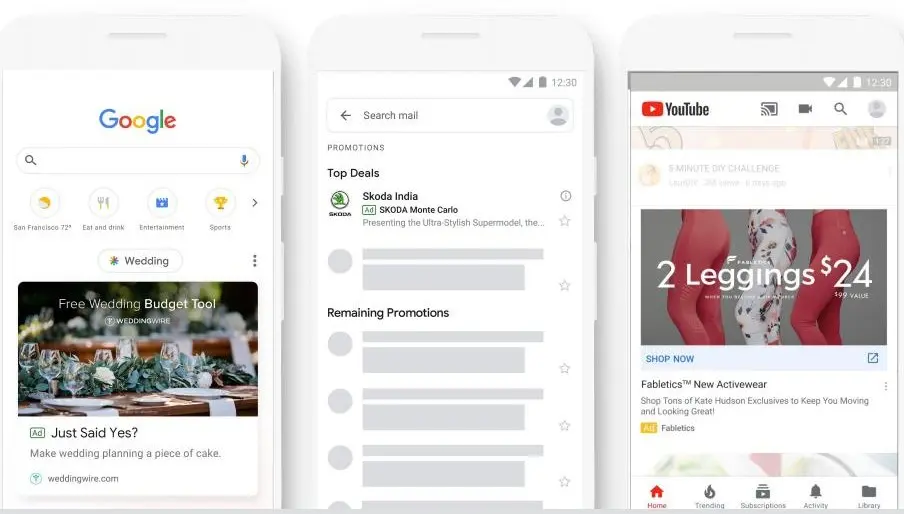
Performance Max is Google’s flagship AI-driven campaign type in 2026. You provide your goal, budget, and creative assets — headlines, descriptions, images, and video — and Google’s AI decides how to distribute spend across Search, Display, YouTube, Gmail, Google Maps, and Discover simultaneously.
What’s new in 2026: PMax now includes Waze inventory (currently US market, with global rollout planned for 2026), letting local businesses appear as “Promoted Pins” while users navigate. Channel performance reporting is now available across all PMax campaigns, giving advertisers clearer visibility into per-channel results. A new Customer Retention goal also allows higher bids specifically for lapsed customers.
✦ Action for global brands
- Best suited for brands with clear conversion goals — purchases, inquiries, or sign-ups
- Wait until your Search campaigns have accumulated 50+ conversions before launching PMax
- Conversion tracking must be set up correctly — PMax optimization depends entirely on conversion data
Source: Google Ads official announcements
3. Display Ads
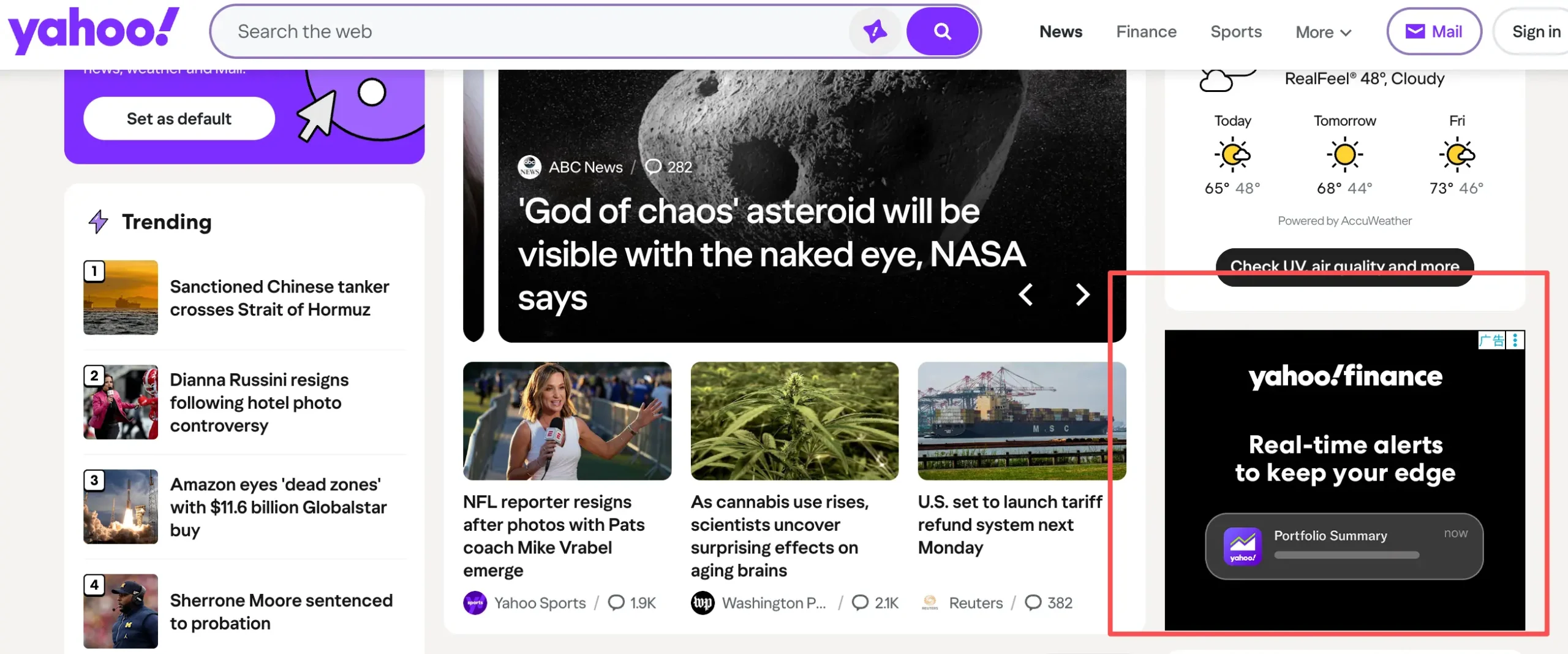
Display ads appear as images, animated graphics, or HTML5 creatives across Google’s Display Network — more than 3 million partner websites and apps. The primary format is the Responsive Display Ad: upload your images, headlines, and descriptions, and Google automatically assembles combinations that fit available ad placements.
✦ Action for global brands
- Use for brand awareness when entering a new market
- Remarketing to past website visitors who didn’t convert is one of the most cost-efficient uses
- Display CTR is inherently low — don’t use it to chase direct conversions; precision targeting matters
4. Video Ads
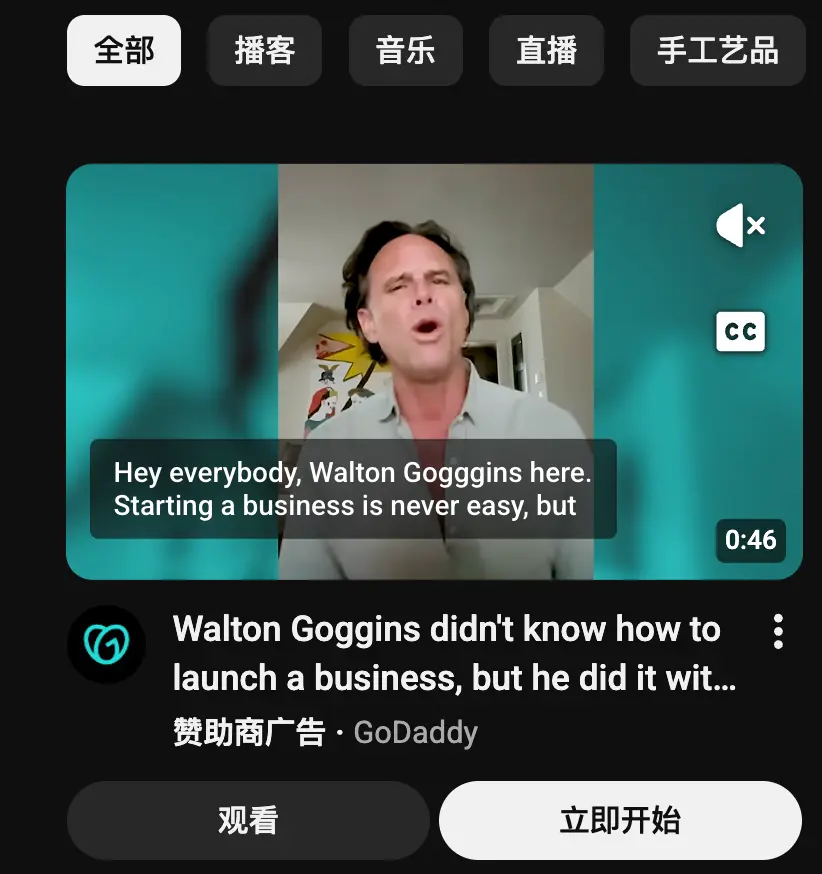
Video ads run on YouTube and Google’s video partner network. With over 2 billion daily active users, YouTube is the world’s second-largest search engine and a core channel for global brand building.
Key subtypes: Skippable in-stream ads (skippable after 5 seconds, charged per view), non-skippable in-stream ads (15–30 seconds, forced viewing — best for brand storytelling), and Bumper ads (6-second non-skippable, ideal for brand recall).
What’s new in 2026: YouTube has introduced a “fewer interruptions, longer ad breaks” model on connected TV. 79% of viewers prefer consolidated ad breaks over scattered mid-roll insertions. Since launch, watch time before the next ad break has increased 50% — giving advertisers higher-quality viewing windows.
✦ Action for global brands
- The first 5 seconds are critical — deliver your core message before the skip button appears
- B2B brands can use YouTube for industry education content, then use paid promotion to reach decision-makers researching solutions
- Bumper ads pair well with search campaigns as low-cost brand reminders
Source: Google Ads official announcements
5. Shopping Ads
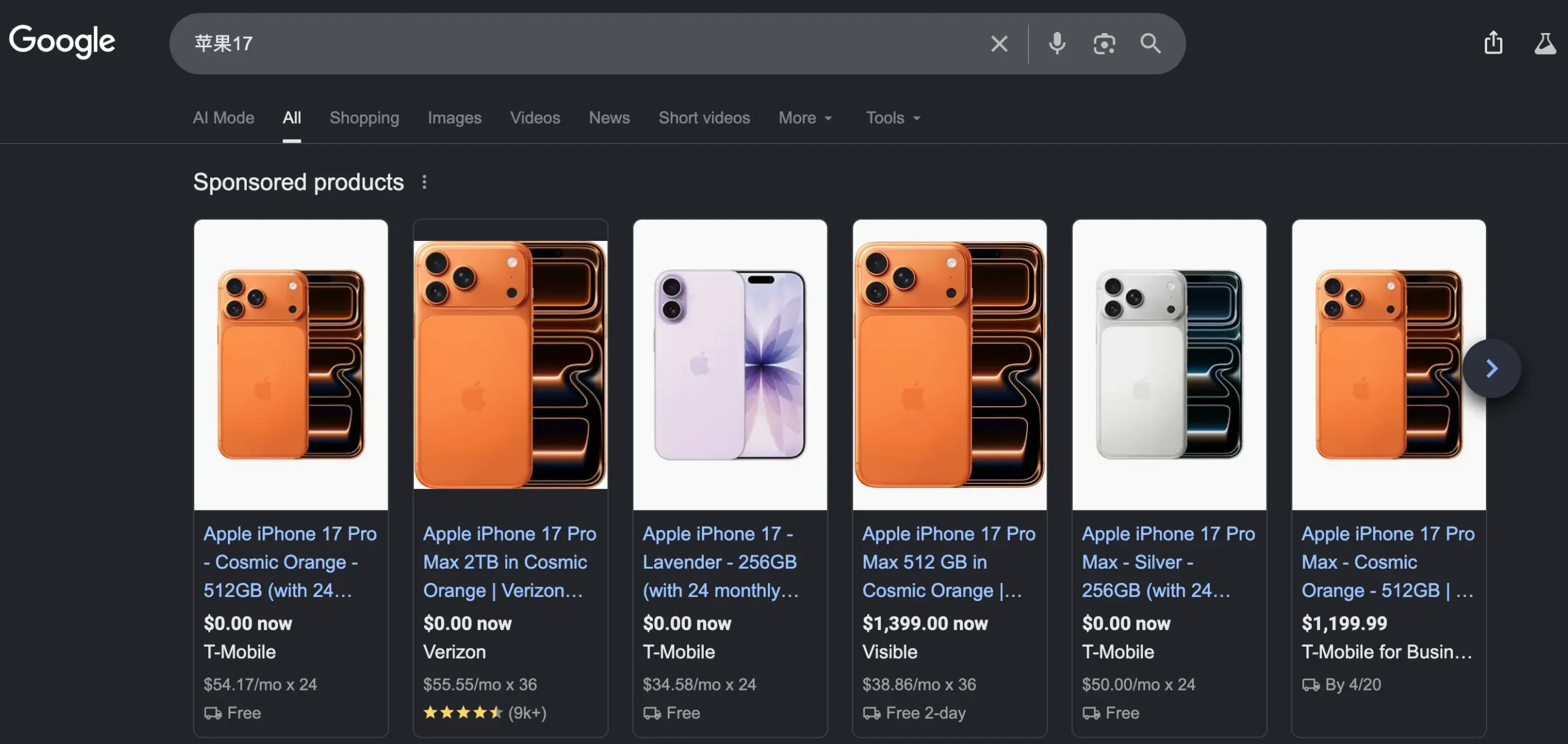
Shopping ads appear as product cards at the top of Google search results — showing a product image, price, and store name. They require a Google Merchant Center account with an uploaded product data feed. Because users see the product and price before clicking, Shopping ads consistently deliver higher purchase intent traffic than standard text ads.
✦ Action for global brands
- Built for cross-border ecommerce and DTC brands — the highest purchase-intent format on Google
- Requires a Google Merchant Center account with accurate, up-to-date product feed data
- Write product titles and descriptions using the search language and terminology of your target market
6. Demand Gen Campaigns
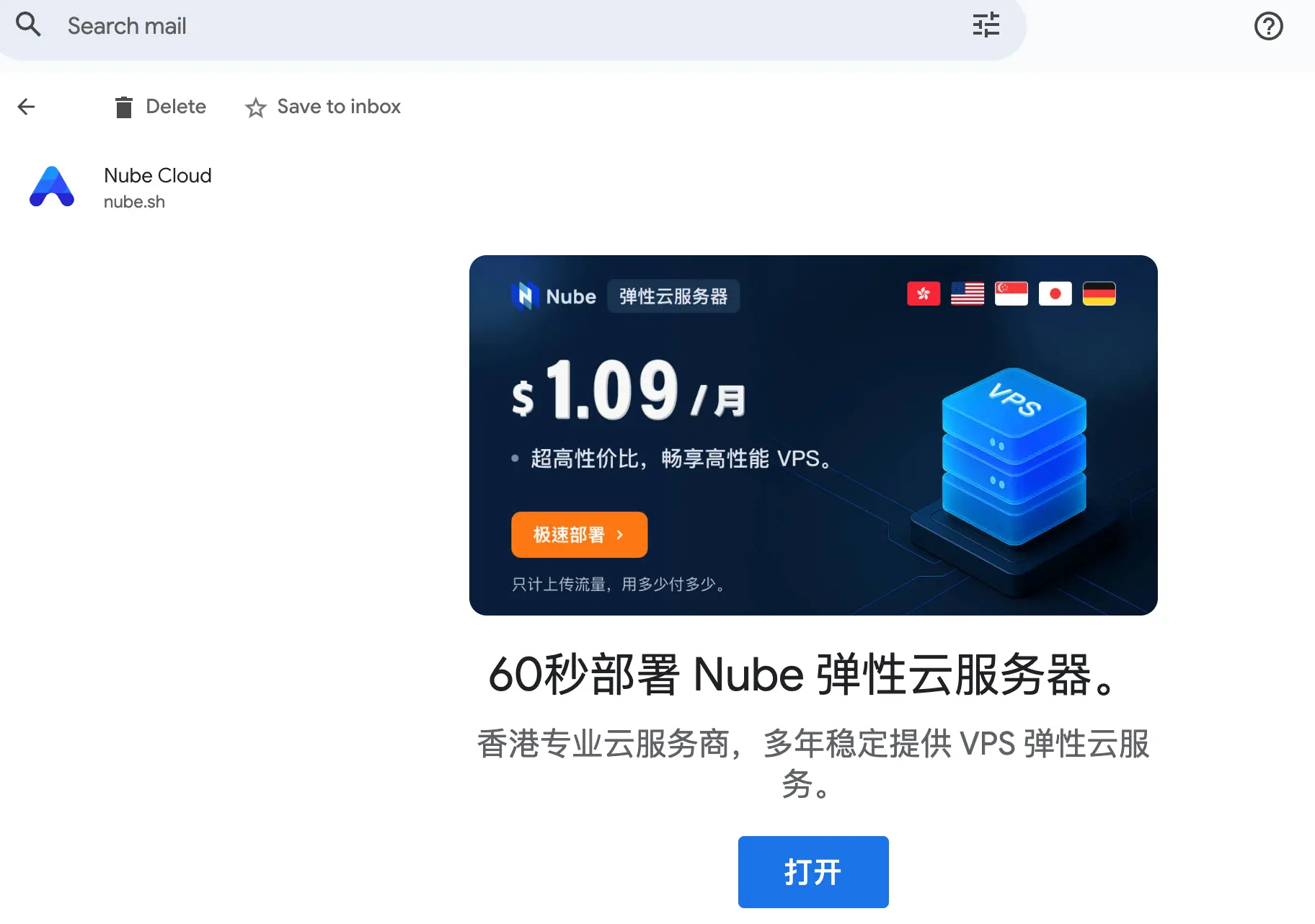
Demand Gen is the evolution of Discovery campaigns. Ads appear natively in YouTube home feed, YouTube Shorts, Gmail inboxes, and Google Discover — reaching users in content consumption mode rather than active search mode. It’s an upper-funnel format designed to build brand presence before your audience starts searching.
✦ Action for global brands
- Creative quality matters more here than in any other format — invest in strong visuals and video
- Best for brands with existing content assets looking to warm up new international markets
- Pair with Search campaigns to build a full awareness-to-conversion funnel
7. App Campaigns
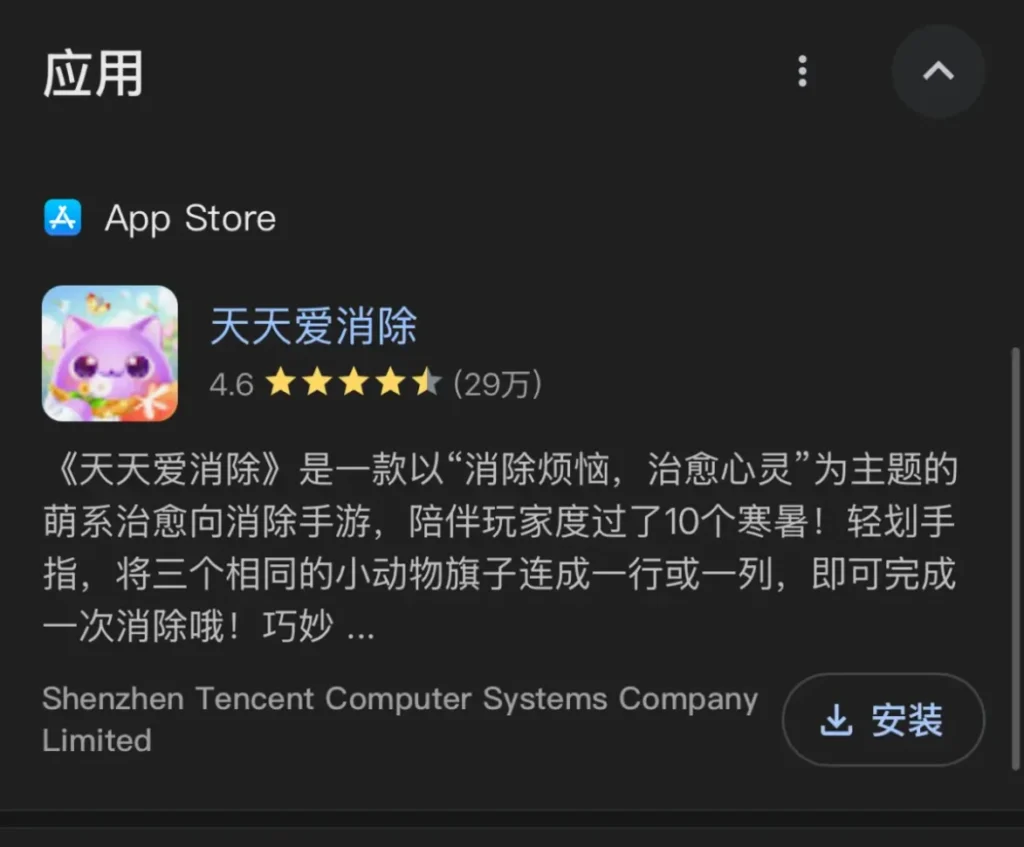
App Campaigns are built specifically for mobile app promotion, running across Google Search, Google Play, YouTube, and the Display Network from a single campaign setup. For global brands with an app product, campaign goals can range from driving installs to increasing in-app engagement or purchases.
✦ Action for global brands
- Provide diverse assets — text, images, and video — to give Google’s AI maximum creative combinations to test
- Match your campaign subtype to your goal: installs, in-app engagement, or in-app purchases
- Connect Firebase, GA4, or a third-party MMP to track in-app events for accurate optimization
What’s Changed in 2026
AI Max for Search Campaigns: Google’s new 2026 feature builds on RSA with stronger AI matching — automatically expanding keyword coverage and selecting the most relevant landing page for each query.
Call-only ads deprecated: Google stopped allowing new call-only ads in February 2026, with existing ads set to stop serving in February 2027. Advertisers relying on phone conversions should migrate to RSA with call assets.
PMax Customer Lifecycle Goals: The new Customer Retention goal allows higher bids specifically for lapsed customers. The New Customer Acquisition goal continues to improve with more granular new-vs-returning customer targeting.
Source: Google Ads official announcements and Help Center
How to Choose the Right Format for Your Brand
| Marketing Objective | Recommended Format |
|---|---|
| Capture high-intent search demand | Search Ads (RSA) |
| Maximize conversions across all channels | Performance Max |
| Brand awareness / remarketing | Display Ads |
| Video content / brand recognition | Video Ads |
| Cross-border ecommerce sales | Shopping Ads |
| Upper-funnel brand warming | Demand Gen |
| App promotion | App Campaigns |
For brands starting out: begin with Search Ads to validate keywords and conversion logic, then layer in Performance Max once you have enough conversion data. Video and Display work best as supporting channels for brand awareness goals.
Frequently Asked Questions
What’s the difference between Google Ads and SEO? Do global brands need both?
Google Ads is paid traffic — results are immediate, but stop the moment you pause spend. SEO is organic traffic — slower to build, but lower cost over time. Global brands need both, weighted differently by stage: use paid search to move fast and test when entering a new market, then invest in SEO to reduce long-term acquisition costs once you have data and content foundations in place.
How should global brands set their Google Ads budget?
Google Ads has no minimum spend requirement, but to generate statistically meaningful data, plan for at least $30–50 per day per Search campaign over a minimum of 2–4 weeks. Performance Max requires more conversion history to optimize — launch it after your Search campaigns have built up sufficient data.
How should Performance Max and Search campaigns work together?
They’re not substitutes — they’re complementary. Search captures high-intent users actively looking for your solution. Performance Max extends your reach into channels Search can’t cover: YouTube, Gmail, Discover, and more. The recommended sequence: establish Search first, accumulate 50+ conversions, then activate PMax to expand coverage.
Is Google Ads a good fit for B2B brands going global?
Very much so — but keyword strategy is critical. B2B decision-makers use Google to research solutions, compare vendors, and evaluate options. The key is targeting long-tail keywords that signal procurement intent rather than broad informational queries. Paired with high-quality landing pages or lead gen forms, B2B Search campaigns can deliver strong inquiry conversion rates.
How do you measure Google Ads performance?
The core metrics are: Click-Through Rate (CTR), Conversion Rate (CVR), Cost Per Acquisition (CPA), and Return on Ad Spend (ROAS). Before launching, set up conversion tracking in Google Ads for every action that matters — form submissions, phone calls, purchases. Optimization without conversion tracking is guesswork.
Need help setting up a Google Ads account, building a keyword strategy, or optimizing an existing campaign for international markets? Get in touch with us.